

Content by: Wendy | Blog | 3 minute read | April 12, 2026

I used to think allergy season was just a hassle, something you could tough out with a pocket full of tissues and a stubborn will to enjoy the day anyway. But over the years, it turned into something more. It went from a "few rough weeks" to a constant companion; those itchy eyes that make reading a chore, the congestion that robs you of sleep, and the fatigue that makes you feel way older than you really are. Now, at 65, I find myself asking the same question that many allergy sufferers do:
Why does it feel like this is getting worse?
Why We Have Allergies (and Why Your Body Isn’t Just Throwing a Tantrum)
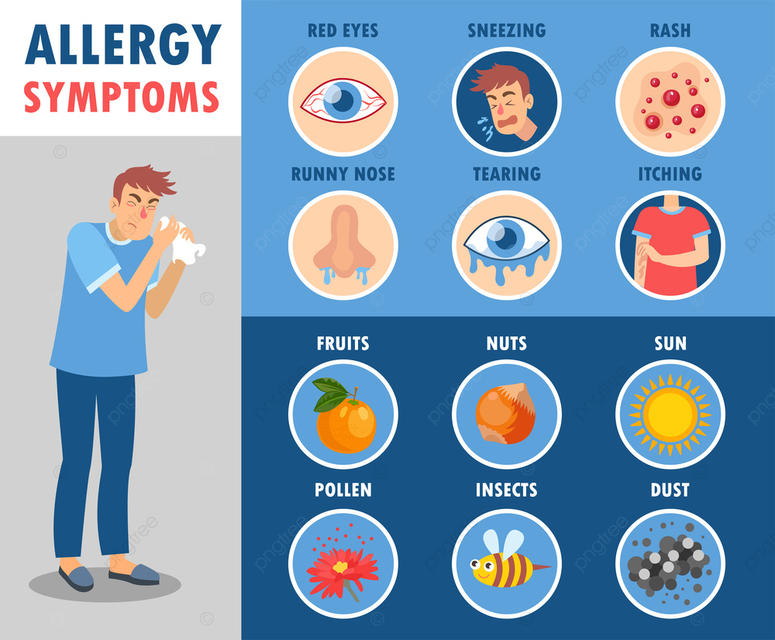
Allergies are what happens when your immune system gets a little too jumpy and thinks something harmless, like tree pollen, grass, ragweed, or mold, is a big bad guy. So, your body goes into defense mode and releases chemicals (especially histamine) to protect you. The catch? This "protection" can make you sneeze, drip, swell up, have watery eyes, cough, and feel totally wiped out like running a marathon just to grab some groceries!
How Often Do We Deal with Allergy Seasons?
Most folks think “allergies” are a spring fling, but for many, it’s more of an all-year-long toxic relationship. Tree pollen kicks things off in early spring like an overexcited party guest, grass pollen crashes the scene in late spring and summer, and ragweed storms in during late summer and fall. Mold, the sneaky troublemaker, pops up anytime it’s damp, after rain, during leaf season, or just hanging out indoors year-round. Depending on your location and your personal nemeses, allergy season can feel like it never actually leaves the party.
Why Allergies Seem to Level Up With Age (Like They’ve Been Hitting the Gym Since You Turned 65)
Allergies can crank up their drama over time, and no, it’s not just your imagination. You might’ve picked up some brand-new sensitivities after years of exposure, or maybe the local pollen decided to stick around longer just to annoy you. As you age, your nasal tissues can get grumpier, and other health quirks (or the meds you take) can make congestion, coughing, and fatigue hit like an unwelcome houseguest who overstays their welcome. One more important note:
Some sneaky impostors can masquerade as allergies—think chronic sinus grumbles, non-allergic nose drama, reflux rebellions, pesky pill side effects, or diva-like lungs. If your symptoms have switched up their act, it’s wise to see a clinician and make sure you’re tackling the real culprit.
Handy Checklists: Navigating Allergy Season One Day at a Time
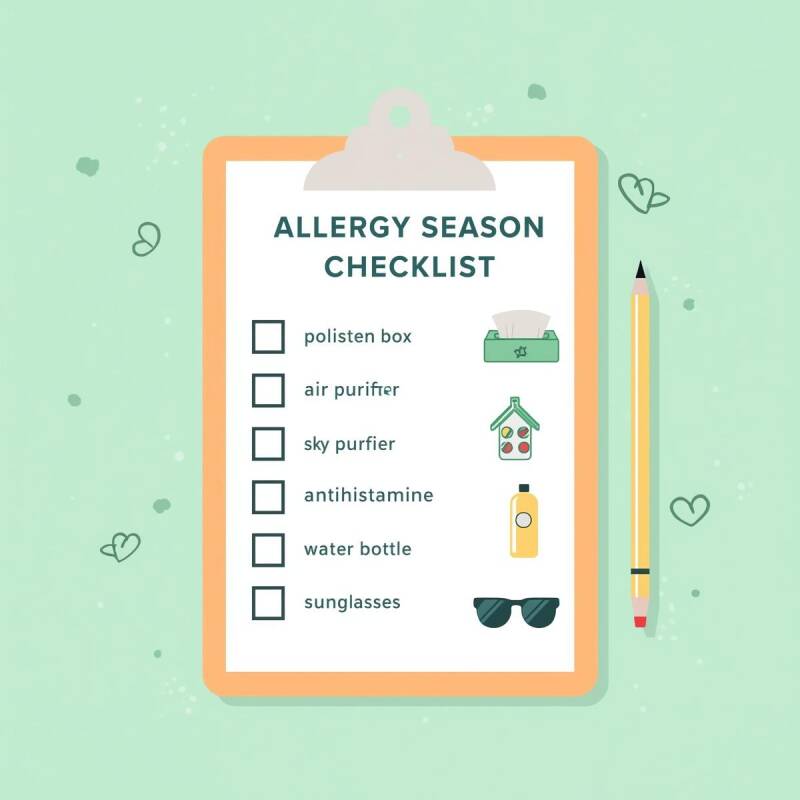
1) Daily Routine Checklist (simple habits that add up)
- Check the day's pollen forecast (especially for your trigger: tree, grass, or ragweed).
- If pollen is high, plan outdoor time for later in the day (early morning is often worst for pollen).
- Keep tissues, lubricating eye drops, and water handy.
- Rinse your nose with saline (spray or gentle rinse) after outdoor exposure.
- Shower and wash hair (or at least rinse face/hands) before bed so pollen doesn't follow you to your pillow.
- Change clothes after time outside; keep "outside clothes" out of the bedroom.
- Hydrate, dry nasal passages can feel worse and trap irritants.
2) Home Setup Checklist (make your home a recovery zone)
- Keep windows closed during high-pollen days; use airconditioning if available.
- Use a HEPA air purifier in the bedroom (start here if you only buy one).
- Replace HVAC and purifier filters on schedule.
- Vacuum with a HEPA-filter vaccuum; dust with a damp cloth (dry dusting resuspends allergens).
- Wash bedding weekly in hot water; consider allergen-proof pillow/mattress covers if dust is a trigger.
- Keep pets clean and consider wiping paws/fur after outdoor time (pets can carry pollen inside).
- Reduce indoor mold: run bathroom fans, fix leaks, and keep humidity in a comfortable range.
3) Outdoor Strategy Checklist (for when you still want to enjoy your life)
- Wear wraparound sunglasses to reduce pollen contact with eyes.
- Consider a well-fitting mask for yardwork or high-pollen days.
- Avoid mowing, raking and leaf blowing if possible or delegate those tasks.
- Keep car windows closed; use recirculated air if you notice symptoms while driving.
- After rain, watch for mold spikes; after dry windy days, watch for pollen spikes.
- If you garden, choose lower-allergen plants and avoid peak-bloom exposure when possible.
4) Medication and Safety Checklist (especially important as we age)
- Talk with a clinician or pharmacist before adding OTC allergy meds, especially if you have glaucoma, prostate/urinary issues, high blood pressure, heart rhythm issues, or take multiple prescriptions.
- If an antihistamine makes you drowsy, don't drive until you know how you respond.
- Use decongestants cautiously (they can raise blood pressure and cause jitteriness in some people). Ask a clinician if they are appropriate for you.
- Use nasal sprays as directed; for some people, consistent daily use matters more than "as-needed."
- If symptoms are frequent or severe, ask about allergy testing and longer-term options (like immunotherapy) rather than suffering year after year.
- If you wheeze, feel chest tightness, or get short of breath with allergy symptoms, seek medical guidance promptly (asthma can overlap with allergies).
5) Symptom Tracking Checklist (so you can get smarter every season)
- Just jot down your main symptoms (like stuffy nose, itchy eyes, sore throat, cough, and feeling super tired) and give each one a score from 1 to 10.
- Check out these patterns: think about the time of day, how the weather changes, whether you’re inside or outside, what happens after some yard work, or when you get back from certain spots.
- Track what you tried (saline rinse, meds, air purifier) and whether it helped.
- Grab this log for your appointments—it’ll help you find the right plan faster!
A Gentle Ending (and a Practical Beginning)
I still don’t adore allergy season, but I’ve stopped acting like it’s some kind of moral shortcoming—like I should be tougher (cue the “man of the house” bravado), less delicate, or magically “over it” by now. Instead, I treat it like the weather: unpredictable, mildly inconvenient, and best endured with tissues and a resigned sense of humor.
My Secret Weapon in Allergy Season: Nasal Rinsing With Navage
There are countless allergy tips that seem brilliant until your head feels like a pillow factory exploded inside it and your nose can’t decide if it’s auditioning for a faucet or a cork. But one trick has earned a permanent spot in my routine because it delivers instant, undeniable relief:
nasal cleansing.
For me, using a Navage nasal rinse has been one of the most reliably helpful tools in the middle of a bad pollen week. (Blog article to follow)
Add comment
Comments